
Michigan's Multi-Day Arrest Log
Michigan has no single public arrest log with a shared statewide window. Each county does things differently. One system lets you filter a jail roster by date. A sheriff posts only selected news releases. Meanwhile, Michigan State Police publishes event-based newsroom reports, and local newspapers add their own layer of coverage.
So a report may span several days in one place and mean something narrower elsewhere. "Multi-day" is not a fixed term. Some sources show bookings and releases. Others list police incidents or chosen stories. Before trusting a result, ask which agency entered it, what event date it reports, and whether the page shows live custody or an archive.
Date-based reports work best as context. If someone may have been booked recently, a multi-day report adds detail after the immediate custody check. It still can't prove every arrest appears there. For a record missing from the public log, the county's official records office remains the route.
Separate the Michigan Arrest Dates
One entry can carry several dates. There's the incident date, the arrest date, the booking date, and possibly a release or transfer date. Publication marks when the agency or outlet posted its account. These rarely line up. Muskegon's report separates booking and release dates, Van Buren's Sheriff News archive holds selected releases, and MSP posts dated event coverage, so a later story can describe an earlier arrest. Read every field label. Ask the custodian about dates missing from an existing record. Never infer an arrest time from a post time.
Where Michigan Arrest Logs Live
Official sources name the agency and the record type. Each example reflects its own publication pattern, and a source that lists no archive length leaves its public history unknown.
| Source type | Michigan example | What it represents |
|---|---|---|
| County date report | Muskegon Zuercher reports | Booking and released inmates by date; read the event type and selected range. |
| County blotter and system link | Monroe Law Enforcement Services | Links a Zuercher system and a weekly news blotter; a selected report, not every booking. |
| Sheriff news archive | Van Buren Sheriff News | Selected agency releases with posting dates, not a complete jail register. |
| State police newsroom | MSP News Releases | Selected statewide incidents, investigations, arrests, and campaigns. |
| Records request | Michigan Freedom of Information Act (FOIA) resource | A route to records the public body maintains and may lawfully release. |
| Local and regional news | MLive News and local outlets | Editorially selected stories; not a public booking census. |
Zuercher, JailTracker, Police-to-Citizen, and Tyler run separate county-linked systems. Their fields and archive depth vary. The county or agency stays the records custodian, and the official Monroe Law Enforcement Services page shows one county route to reports and blotters.
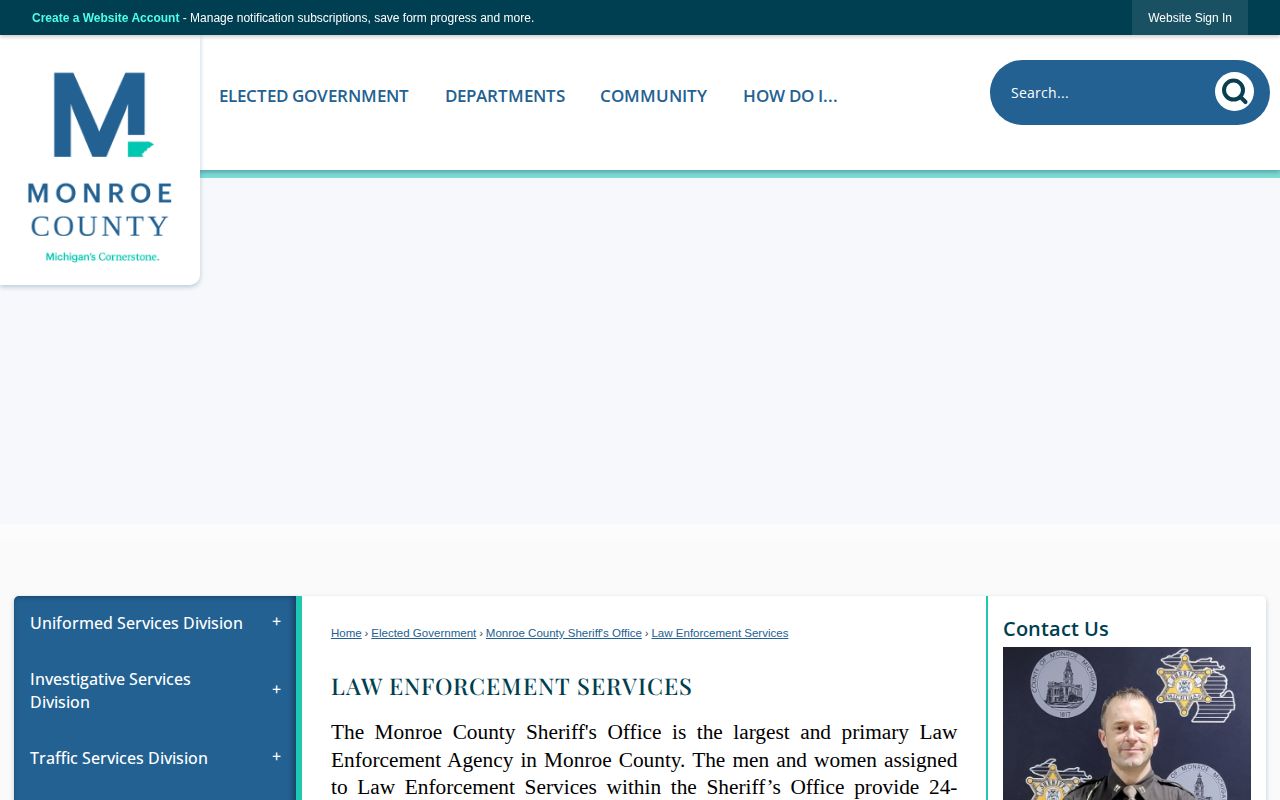
It links a Zuercher system and a weekly blotter. Both stay bounded by the records and reports the county actually makes public.
Note: Michigan county portals can change their date controls, so verify the custodian and event label on the official county page before relying on a report.
Reading a Michigan Arrest-Log Entry
No Michigan log entry looks the same everywhere. Some screens show just a name and custody status. A dated report may add booking or release details, while a press item describes the incident without any roster record. Treat the fields that follow as questions to ask of each source, not a required statewide format.
| Entry field | What it may tell you | What it does not establish |
|---|---|---|
| Name or identifier | Which record the system associates with a person. | A name match by itself may not identify the right person. |
| Arresting agency | Which police or sheriff agency created or supplied the arrest information. | The booking jail may be a different agency. |
| Charge as booked | The charge entered in a booking or release record. | Guilt, a filed charge, or the final court result. |
| Booking and release | Intake or custody change dates when the source includes them. | The incident time or every later transfer. |
| Photo or docket link | An image or case path if the agency makes it public. | A universal photo policy or complete court history. |
News stories carry publication dates too, and corrections may follow a court hearing. Read the wording closely. "Arrested," "charged," and "convicted" mark different stages. A booking charge can change, and court records, where public, are the separate source for later case status.
Michigan State Police Arrest News
The Michigan State Police newsroom posts selected incidents, arrests, investigations, crashes, recoveries, and public-safety announcements. It is not a daily dispatch log. Routine trooper arrests may never appear. The Office of Highway Safety Planning publishes periodic campaign results, sometimes with regional totals or selected arrest activity. MSP social updates and MSP Mobile carry timely news, yet none of them works as a searchable historical roster. The dated MSP News Releases page shows this style.
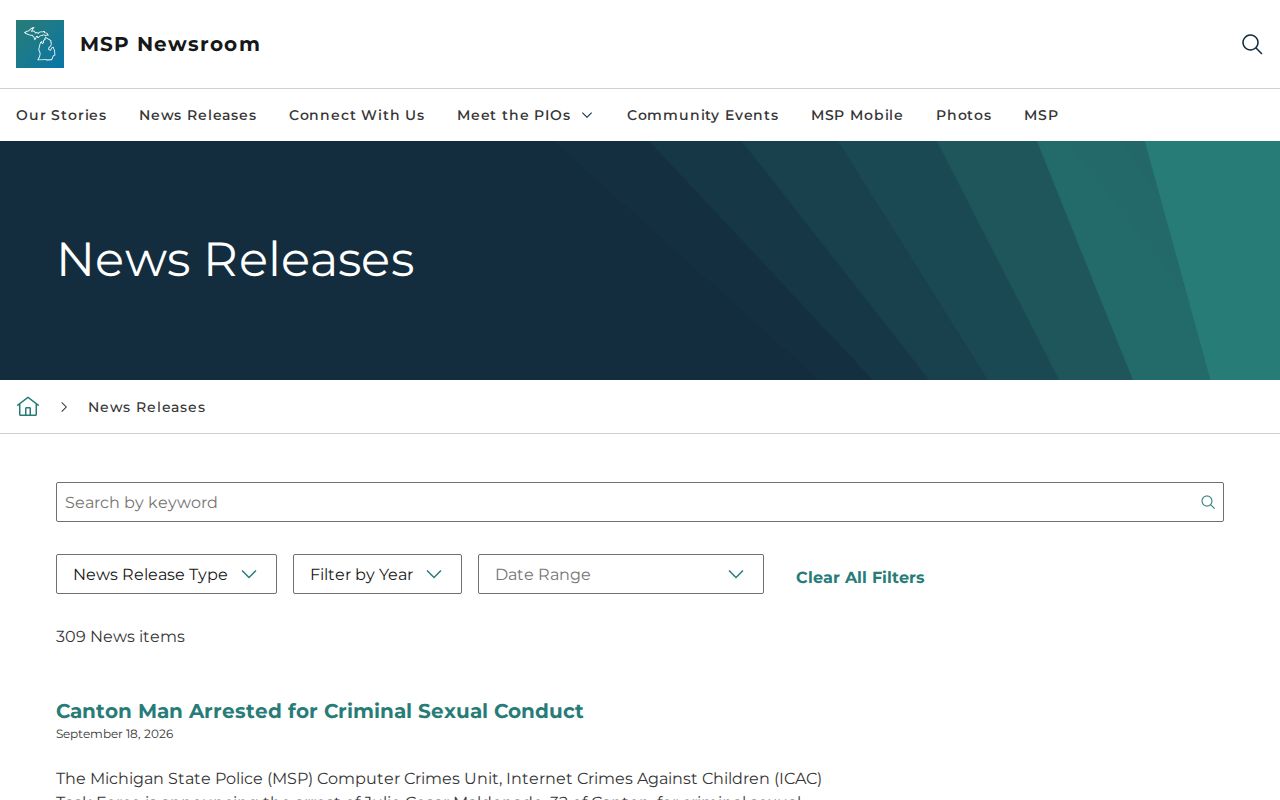
Trooper arrests end at a county or receiving facility. The MSP release and that facility's log remain two separate records.
Michigan Arrest Blotters Stay Selective
Michigan newsrooms run selective arrest coverage. Regional sources include MLive, the Detroit Free Press, and The Detroit News, publishing blotters, court updates, and follow-ups. Local reporting can add detail a statewide feed lacks. The Alpena News police blotter tracks one county's deputies. It is journalism, not a booking list. An article may summarize an event rather than copy a booking record. If a case outcome later changes a story, flag it through the outlet's correction route. MLive's contact page offers one example. A correction request is not a guaranteed deletion, and an accurate public-interest story may stay online.
Note: A newsroom correction request is separate from a Michigan FOIA request and may update a story without removing it from an archive.
How to Find a Michigan County Blotter
Start with the likely booking county. Then check the arresting agency, since the Michigan County Directory routes you to local official sources.
- Choose the likely county. Arrest and booking locations can differ after a transfer or multi-agency case.
- Open the sheriff or jail page. Find its roster, report, news, or blotter section and read the date range.
- Check MSP news separately. Search its releases if MSP is named as the arresting agency; a missing release proves nothing.
- Request an existing record. Give the custodian the person, date range, event, and record sought. Ask whether a historic log or booking record exists.
Michigan FOIA opens existing records. A public body need not create a new archive. Ask for a known log or booking jacket, meaning the jail's custody file, not a fresh compilation across agencies.
Michigan Arrest Posts on Weekends
Michigan agencies post arrests on no fixed weekend calendar. Booking, release, and publication follow separate clocks. A Monday roundup may cover events from days earlier, so keep the arrest date apart from the posting date. A silent news page never means nobody was arrested. For same-day custody questions, the Michigan 24 Hour Arrests page covers the limits of a same-day view.
Don't read a surge into a roundup. A long list after a weekend can mean delayed posting. It can also mean editors picked which arrests to include. Neither proves arrests actually rose.
For a question about one person's custody, go to the current county roster or records office. A dated news archive works well for context. It's weaker for confirming who sits in jail right now.
Michigan Jail-Record Retention
Michigan's General Schedule 11 covers jail booking material where it exists. Item 11.210, Jail - Inmate Jackets, includes booking cards, mug shots, release papers, and transfer forms. Retention runs until release plus ten years. Then destruction follows, subject to the schedule and any hold. The schedule was approved May 6, 2025. It promises no decade-long public web log of Michigan arrests, and it doesn't prove every county keeps every listed form. Local schedules and legal holds can change what happens. Michigan DTMB's disposition guidance covers authorized transfer and destruction of public records.
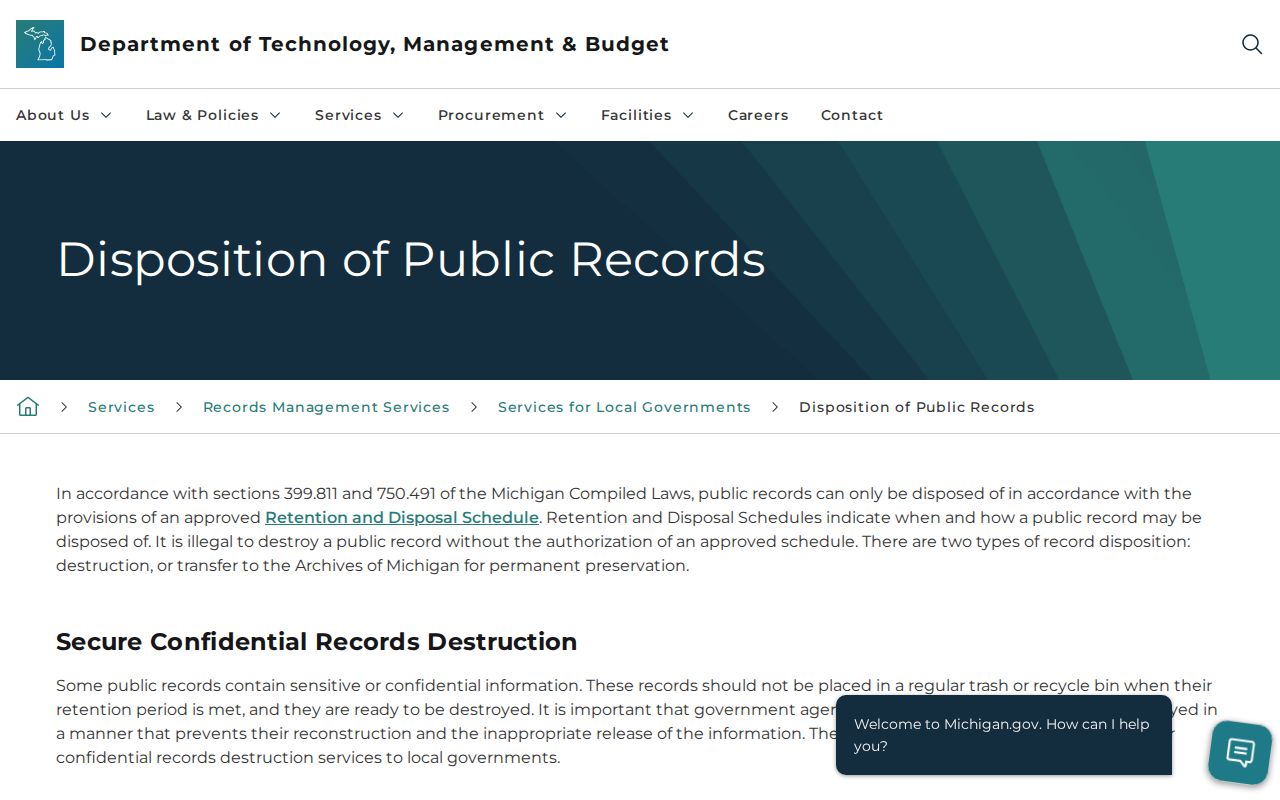
Ask the custodian directly. Find out whether it keeps the specific booking jacket or intake log, and which schedule governs it. A scheduled destruction answer is one thing; "never created" or "not open for inspection" is quite another.
Note: General Schedule 11 describes retention authority for agency records; it does not require a county to keep old booking entries on a public website.
Older Michigan Arrest-Log Records
Start with the agency that created or received the older arrest record. The sheriff, local police, court, or another custodian may still hold it. The Archives of Michigan county guides can flag transferred local-government collections. Holdings still vary by county and record series. The Archives is not a recent-arrest database or mugshot archive. A county guide proves no booking photo exists. Search the catalog and guide first. Then confirm access with the Archives. A historical request should name the county, agency, date range, and record type. Ask what the item is. It may be a booking jacket, jail register, release log, incident report, or case file. If it was destroyed, request the applicable retention series. The Archives county-guide collection is a starting point for transferred records, nothing more.
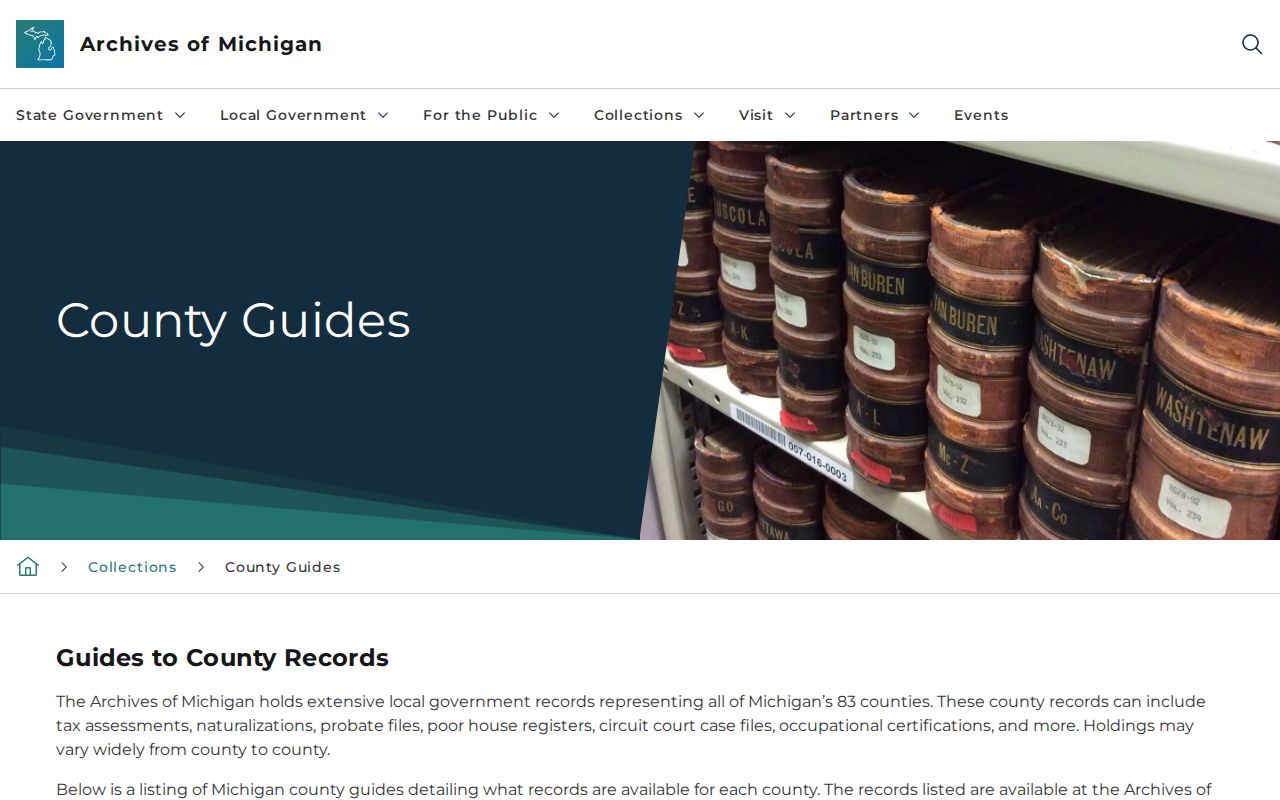
An older request can end several ways. The trail may lead to a current custodian, an archive, a lawful destruction record, or word that no public log was ever created. Each outcome means something different.